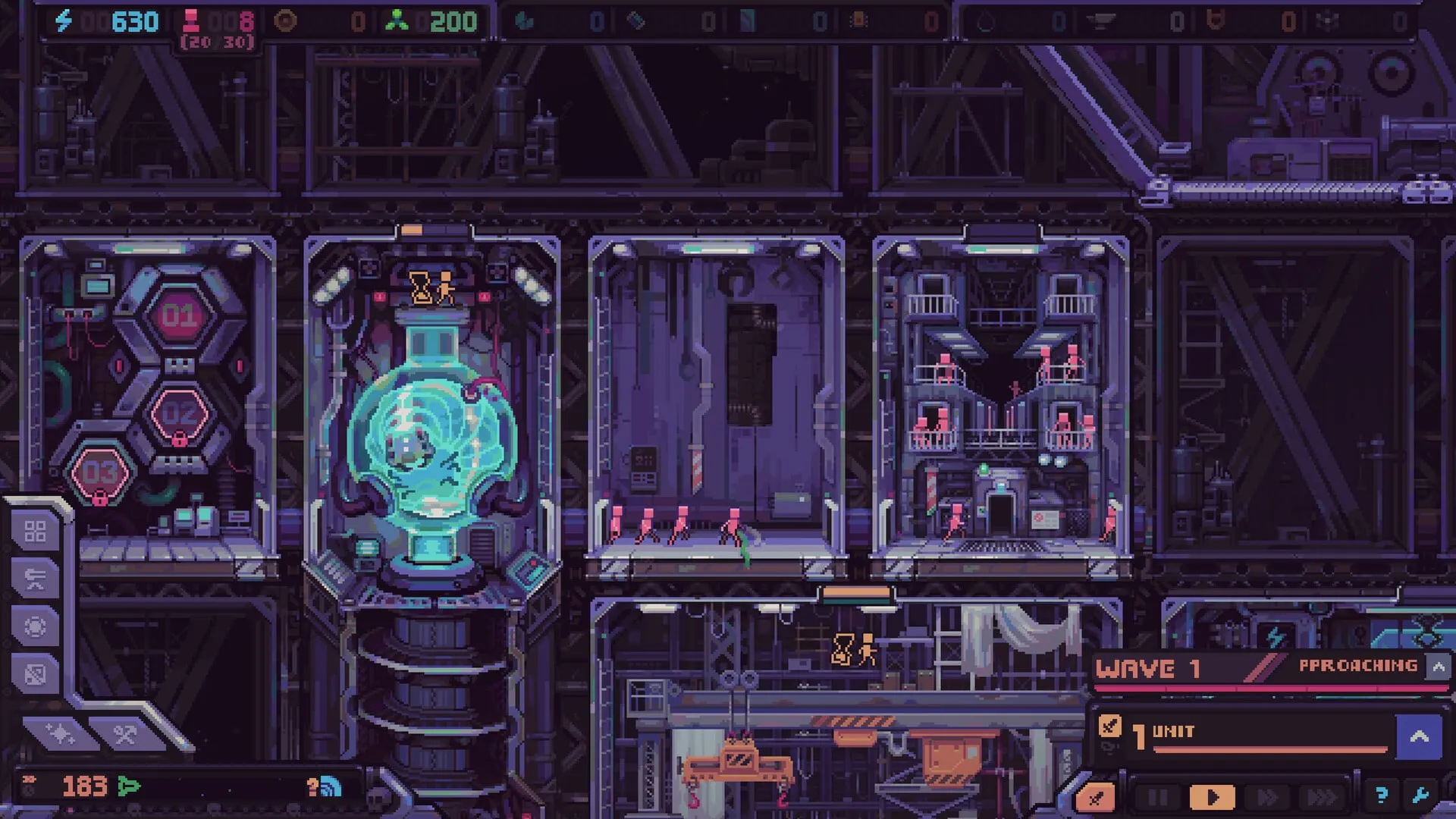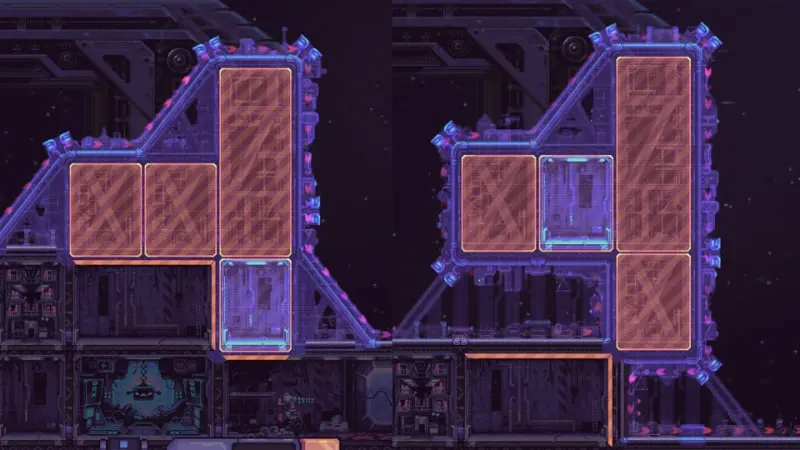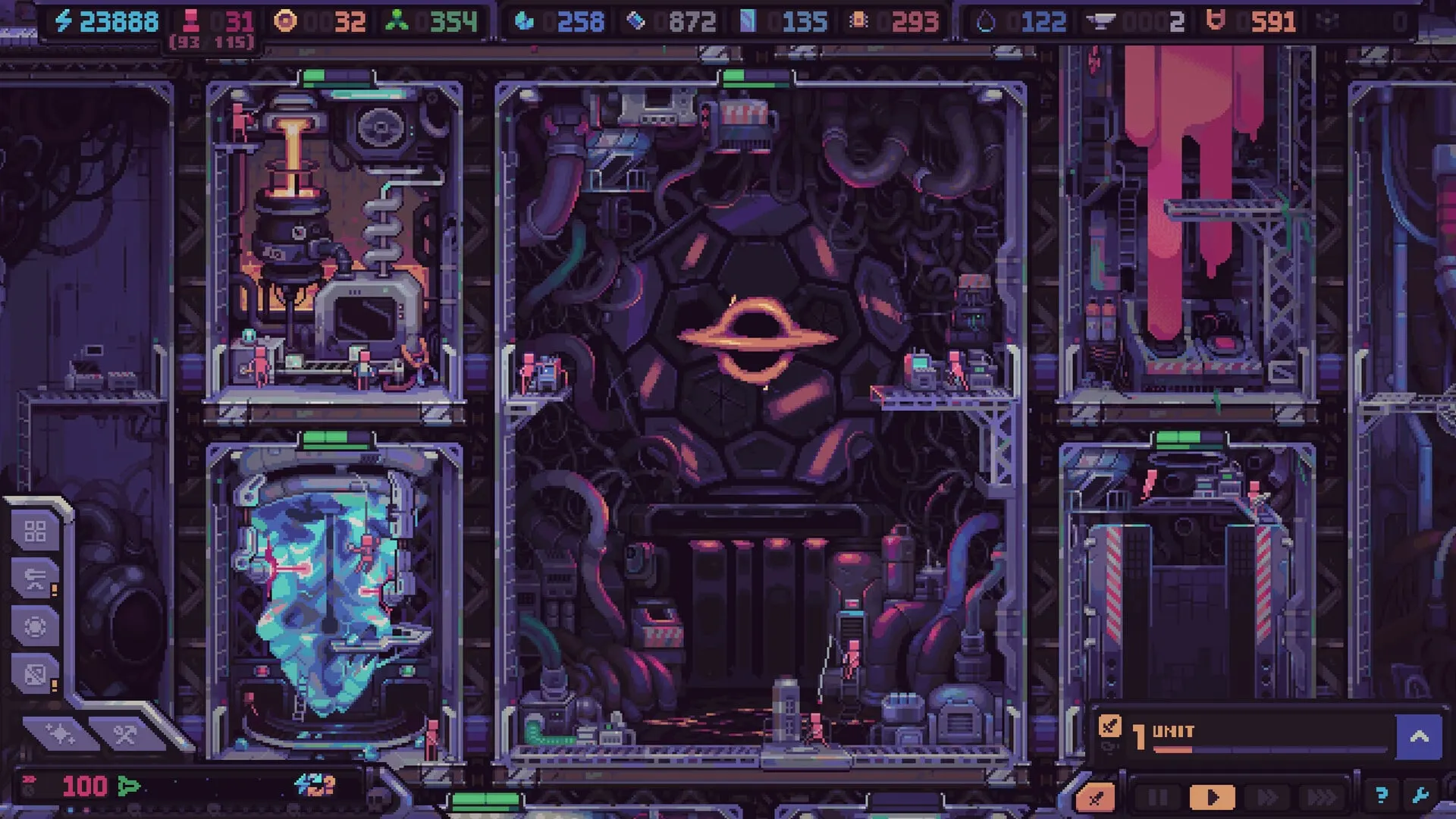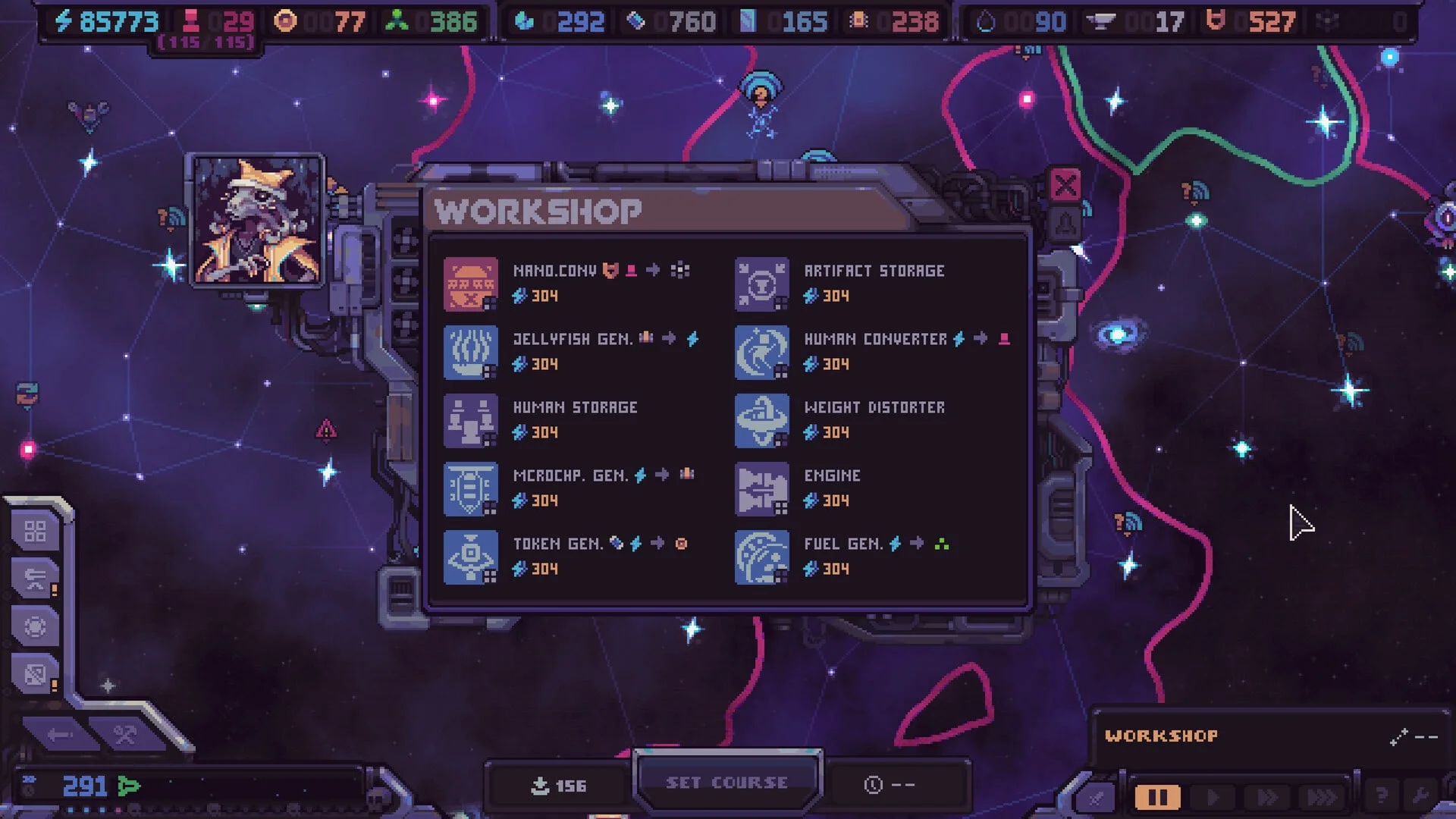
The September demo overhaul replaced individual module and turret purchases with themed loot boxes. Hull Rupture module kits now arrive as a selection from a category rather than a specific item, which makes the shop easier to understand and harder to control: you can choose the theme, not the exact kit. The winning habit is to buy for the next constraint and treat every unboxing as a proposal, not a promise.
What changed in the Hull Rupture shop
Before the overhaul, the post-battle shop sold individual module and turret kits. After September 14, 2026, it sells themed boxes containing modules or turrets. Modules can also drop with modifiers already installed.
The developer’s reasoning is straightforward: choosing a theme is faster than scanning a wall of individual kits, and it makes the post-battle reward feel like a reward. If defenses are struggling, buy a turret box. If production chains are failing, buy a module box. The box then offers a selection of kits matching that theme.
This is still a roguelite shop. A module box does not let you pick “the mineral generator.” It lets you pick the category that contains mineral generators and hopes. Plan for the category, not the exact drop.
Module vs turret boxes: which one now?
Module box
Buy when the factory is the problem
- ▸ A production chain is stalled or capped.
- ▸ You have an empty slot but no useful kit.
- ▸ The ship survived the last wave comfortably.
- ▸ You need storage, conversion or a new resource line.
Turret box
Buy when survival is the problem
- ▸ Aliens reached the Airlock last wave.
- ▸ A new hull block created a blind spot.
- ▸ The boss lane is under-covered.
- ▸ You have a premium slot with the wrong weapon.
The tie-breaker
If you cannot decide, buy defense. A stronger economy compounds over many waves, but only if the ship survives them. A turret that prevents a wipe is worth more than a module that would have paid off in three waves you never reach.
Despot’s Chamber: free kits with a staffing cost
The Despot’s Chamber produces module kits when humans are assigned to it. More humans means more kits, but the production is slow and the kits are random. The Chamber also improves adjacent modules, which makes it a natural anchor for a production cluster.
Treat the Chamber as a second income stream that pays in options. Staff it when the rest of the ship has spare hands and when you can afford to wait. Do not strip a generator or a converter to staff it during a crisis; a free kit that arrives after the economy collapses is not free.
The Chamber is also the reason compact layouts are valuable. Putting it next to the modules you want to boost creates a double benefit: adjacency production and free kits in the same footprint.
How kit randomization works
Patch v0.10.12 changed the shop and Chamber randomization. You are now much more likely to find a module kit you have not seen yet during the current run, and less likely to receive one that dropped recently.
This is a variance reducer, not a guarantee. It prevents the same useless kit from appearing five times in a row, but it does not promise the specific missing piece on your next purchase. Do not build a plan that requires one exact kit to function. Build a plan that can use several acceptable kits, then adapt when the box opens.
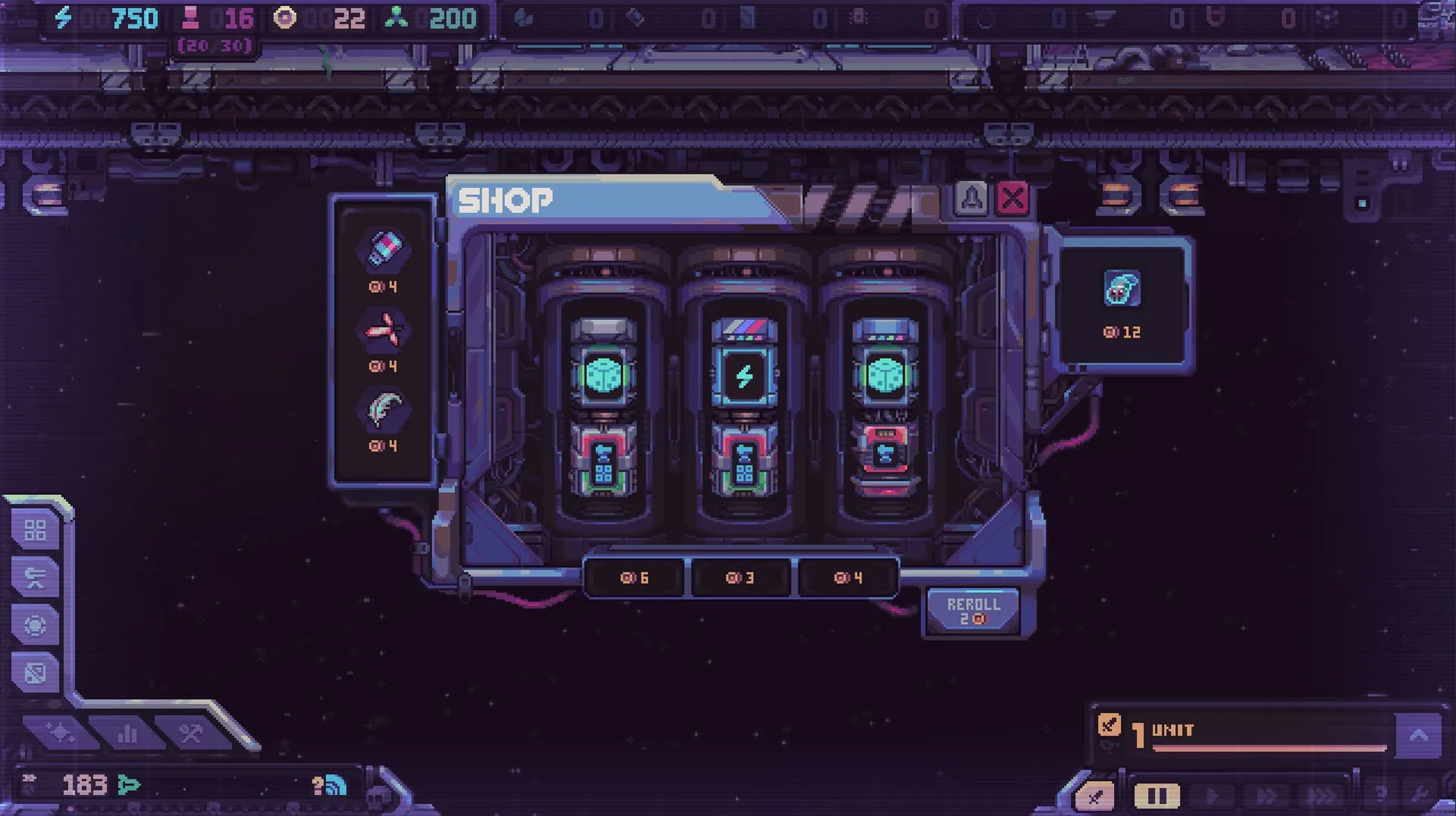
How to evaluate a box before you buy
- Name the failure. “The last wave reached the Airlock” or “my microchip chain is stalled.” If you cannot name it, you are shopping for a feeling.
- Check the theme. Does the box category actually contain a solution to that failure? A turret box cannot fix a missing mineral input.
- Check the space. Do you have a buildable slot for the kit? A perfect module with no room is a token donation.
- Check the inputs. If the kit needs a resource you do not produce, it will not fix the problem. It may create a new one.
- Check the price against the next wave. Spending your last tokens on a speculative economy kit when defense is leaking is a gamble you do not need to take.
- Check for modifiers. A module with a useful installed modifier can be worth more than its base role. Read the tooltip before judging the kit.
Selling kits and demolishing modules
Unused kits can be sold in the post-battle shop, turning a bad roll into partial value toward the next box. This is a key release valve: it prevents one unlucky purchase from poisoning the rest of the run.
Demolishing a built module is different. It returns all construction resources, but it does not return the kit. If you want to replace a module, consider whether the slot or the kit is the problem. If the kit is fine but the position is wrong, modules cannot be moved yet (as of the demo), so demolition may be the only option. If the kit itself is wrong, demolish only when the replacement is already in hand.
| Situation | Best action | What you lose |
|---|---|---|
| Unused kit you do not want | Sell it in the shop | Nothing but the roll |
| Built module in the wrong role | Demolish when replacement is ready | The kit, not the resources |
| Turret in the wrong position | Move it | Time and temporary uptime |
| No useful slot for a good kit | Expand hull or sell | Resources or the kit |
Shop strategy by phase
Early game: survival first
Buy a turret box if there is any doubt about the next wave. A single early leak can cascade into lost workers, lost production and a spiral you cannot recover from. Economy purchases should wait until the defense floor is stable.
Mid game: fix the chain
This is the best window for module boxes. You have enough defense to survive a mediocre wave and enough time for a new production chain to pay off. Buy for the first stalled input, not the most exciting late-game resource.
Late game: targeted upgrades
Stop buying categories and start buying solutions. If the boss lane needs a debuff, buy defense and look for control. If the final wave needs more damage, buy defense and look for synergy. If the economy is already winning, bank tokens for the last shop before the boss.
Five shop mistakes that cost runs
- Buying a fantasy build: holding tokens for a specific kit while the ship leaks.
- Ignoring slot space: a great kit with nowhere to go is a dead purchase.
- Buying economy during a defense crisis: compounding only works if you survive to collect.
- Forgetting the input bill: a new converter can deepen a shortage instead of fixing it.
- Demolishing too early: losing a kit to reposition a module is a permanent cost.
Hull Rupture shop FAQ
Quick answers
Procurement questions
How do you get module kits in Hull Rupture?
Two ways: buy themed module boxes in the post-battle shop, or assign humans to the Despot’s Chamber, which slowly produces free random kits. More humans in the Chamber increases its kit output.
What is the difference between module and turret boxes?
Module boxes contain production and support kits; turret boxes contain defensive kits. The September rework split them by theme so you can buy for the problem you actually have instead of hoping for a specific item.
Can you sell module kits?
Yes. Unused kits can be sold in the post-battle shop for tokens. Demolishing an already-built module is different: it refunds construction resources but does not return the kit.
Does the shop guarantee the kit you need?
No. Boxes offer a selection from a theme, and patch v0.10.12 makes kits you have not seen this run more likely. It reduces repeats but does not guarantee a specific missing module.
Should you buy defense or economy first?
Buy defense if the last wave reached the Airlock. Buy economy if the ship survived comfortably but production is stalled. When unsure, defense is the safer purchase because a dead ship has no economy.
What does the Despot’s Chamber do?
The Chamber improves adjacent modules and produces free random module kits over time when staffed. It is a slow supplement to the shop, not a reliable source of a specific kit.
Next step
A kit is only as good as the room it sits in. Read the module database for roles and the Hull Construction guide to make sure the space exists before you buy.